

Dashboard and Reporting
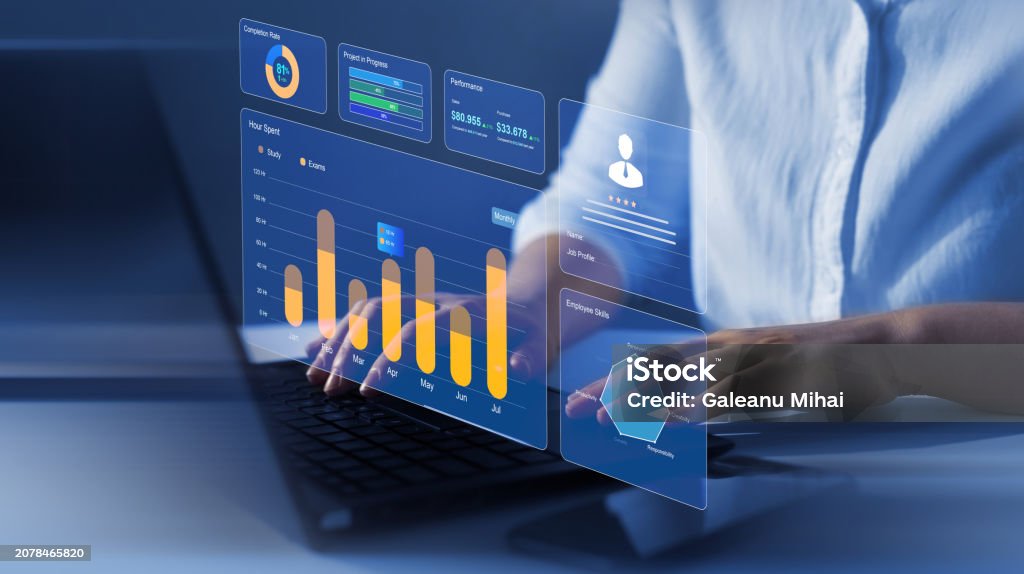
The objective of implementing a Dashboard and Reporting system is to provide stakeholders with a visually intuitive and comprehensive representation of key performance indicators (KPIs), metrics, and insights. This tool will facilitate informed decision-making, track progress towards goals, and enhance overall organizational performance.
Key Components:
- Dashboard Design
- Key Performance Indicators (KPIs)
- Real-time Data Integration
- Customizable Views
- Data Visualization
- Drill-Down Capability
- Automated Reporting
- Mobile Responsiveness
- Security and Access Control
- User Training and Support
Dashboard Design
Develop a user-friendly and visually appealing dashboard interface that aligns with the specific needs and preferences of stakeholders. Ensure that the design effectively communicates critical information at a glance.
Key Performance Indicators (KPIs)
Identify and prioritize the most relevant KPIs that align with organizational goals. These could include metrics related to sales, marketing, customer satisfaction, financial performance, or any other key focus areas.
Real-time Data Integration
Implement mechanisms for real-time data integration from various sources. Ensure that the dashboard reflects the most up-to-date information, allowing stakeholders to make timely decisions.
Customizable Views
Provide options for stakeholders to customize their dashboard views based on their specific roles and responsibilities. This ensures that each user can focus on the metrics most pertinent to their objectives.
Data Visualization
Utilize effective data visualization techniques such as charts, graphs, heatmaps, and other graphical elements to enhance the interpretation of complex data. Visualization should be clear, concise, and aligned with the nature of the data.
Drill-Down Capability
Enable users to drill down into specific data points for a more detailed analysis. This functionality allows stakeholders to investigate trends, anomalies, and contributing factors behind the displayed metrics.
Automated Reporting
Implement automated reporting features to streamline the process of generating regular reports. Set up schedules for automatic distribution of reports to relevant stakeholders, reducing manual effort and ensuring consistency.
Mobile Responsiveness
Ensure that the dashboard is accessible and optimized for various devices, including desktops, tablets, and smartphones. This enhances the flexibility and convenience for stakeholders to access information on the go.
Security and Access Control
Implement robust security measures to protect sensitive data. Establish access controls to ensure that users only have access to the data and features relevant to their roles and responsibilities.
User Training and Support
Utilize a robust defect tracking system to log, monitor, and manage identified issues. Generate comprehensive defect reports to communicate the status and severity of issues to the development team.
Regression Testing
Provide adequate training and support to users to maximize the utilization of the dashboard and reporting system. Address any user queries and feedback promptly to enhance user satisfaction.
Blog Posts
Explore our blog for the latest insights on data analytics, Stay informed and discover how our tools can drive smarter decisions and business growth.

Tortor Posuere Consequat Semper Viverra
Elementum eu facilisis sed odio morbi quis commodo odio aenean. In ante metus dictum…

Massa Sapien Faucibus Molestie Feugiat Malesuada
Nunc scelerisque viverra mauris in aliquam sem fringilla ut morbi. Amet mattis vulputate enim…

Accumsan Tortor Posuere Acutare Consequat
Lectus nulla at volutpat diam ut venenatis tellus in. Mi in nulla posuere sollicitudin…